Seattle Streets Alliance
What the Comp Plan Vote Means for Walkable, Affordable Seattle
- gordon
- Sept. 26, 2025
Last week, the Seattle City Council voted on over 100 amendments to the city’s comprehensive land use plan, known as the Comprehensive Master Plan (Comp Plan), which determines where walkable neighborhoods are created. But before we get to that, let’s zoom out for a second.
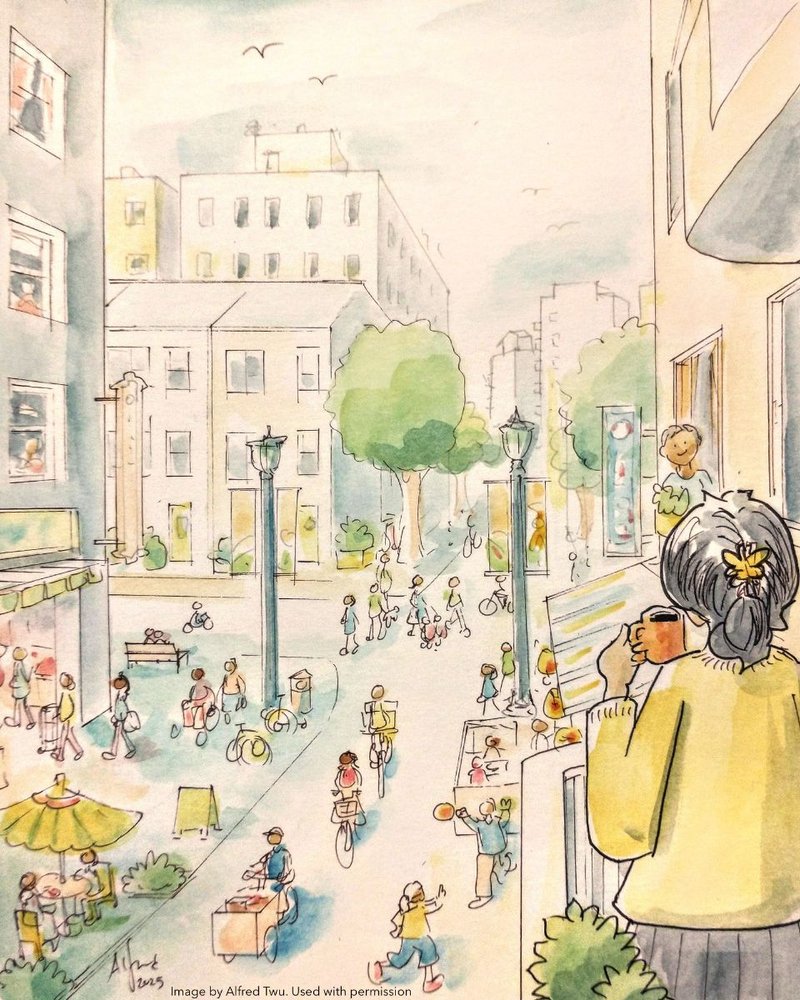
Walking makes us healthier, happier, and more connected to our neighbors through spontaneous interactions. We need sidewalks, crosswalks, and safe streets so that people can walk, but we also need places where people can walk.
We envision a city where everyone can walk to grocery stores, parks, childcare facilities, cultural spaces, pharmacies, and other daily necessities. But right now, this vision remains distant — only 44% of Seattleites can walk to basic daily necessities. And the housing shortage is making Seattle increasingly unaffordable every year — pushing people out of the city and forcing them into long car commutes.
That’s why we have been calling on the City of Seattle for years (see our 2022, 2023, 2024, and 2025 letters) to amend the plan and make Seattle more affordable and walkable. Scientific polling shows 81% of Seattle voters.
This year, we asked the City Council to do 5 things as it finalized part 1 of the Comp Plan:
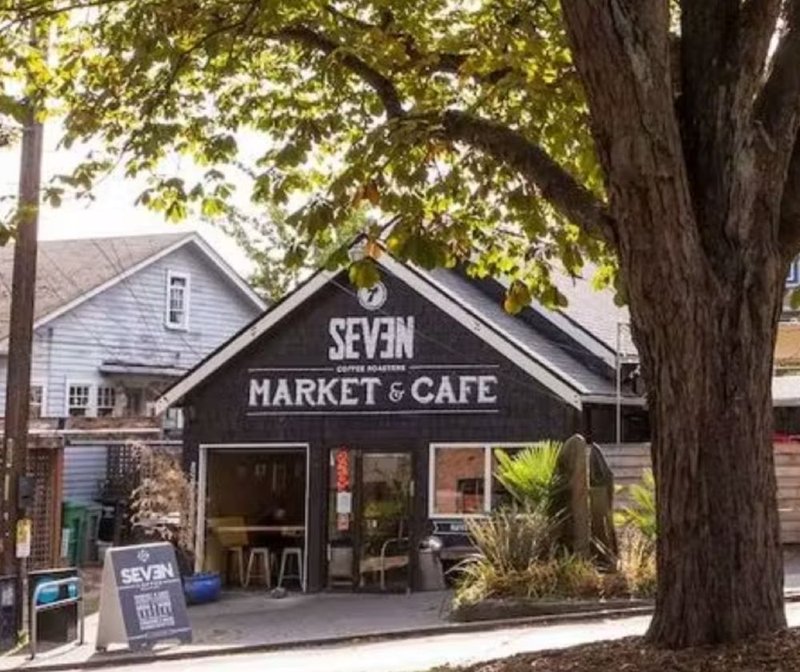
✅ Legalize corner stores (aka neighborhood retail and community gathering places) on all lots, not just corners. Every neighborhood deserves places for community members to gather, buy essential goods, create art together, and build a community. But right now, that kind of commercial and community space can be hard to find or afford. Legalizing corner stores would help bring these services and community spaces to every neighborhood.
Update: Council passed a helpful amendment that legalized corner stores on every block, not just literal corners like in the mayor’s proposal!
📦 Expand neighborhood centers. The land use plan envisions neighborhood centers as “places with a variety of housing options centered around a local commercial district. They typically serve as focal points within neighborhoods, offering shops, services, grocery stores, restaurants, and more.” We asked the City Council to expand the number of neighborhood centers.
Update: Council largely punted on expanding neighborhood centers until next year.
❌ Add flexibility in car parking regulations. Cities around Washington State like Bothell, Shoreline, and Spokane allow homebuilders the flexibility to determine what level of car parking makes sense (and many homebuilders still create parking). Forcing homebuilders to create more car parking than people want increases home prices and incentivizes more driving.
Update: Unfortunately, the City Council did not approve an amendment that would have allowed more flexibility citywide; only Councilmember Rinck voted yes, and it approved only he narrower flexibility required by state law.
✅ Incentivize the development of stacked flats. Stacked flats are more accessible for seniors to age in place and people with disabilities, and allowing more of them has been a priority of our partners at Disability Rights Washington.
Update: Seattle City Council passed reforms that would make it easier to build stacked flat homes!
✅ Support social housing. Seattleites overwhelmingly passed the social housing initiatives to create more affordable housing and want to see it succeed.
Update: Seattle City Council passed reforms that would make it easier to build social housing!
Thank you to our partners and everyone who advocated to help make these improvements to our land use plan possible! There will be a final vote on most of these changes in early November, and some will come back next year, so if you haven’t already, email your City Councilmembers.