 Seattle Streets Alliance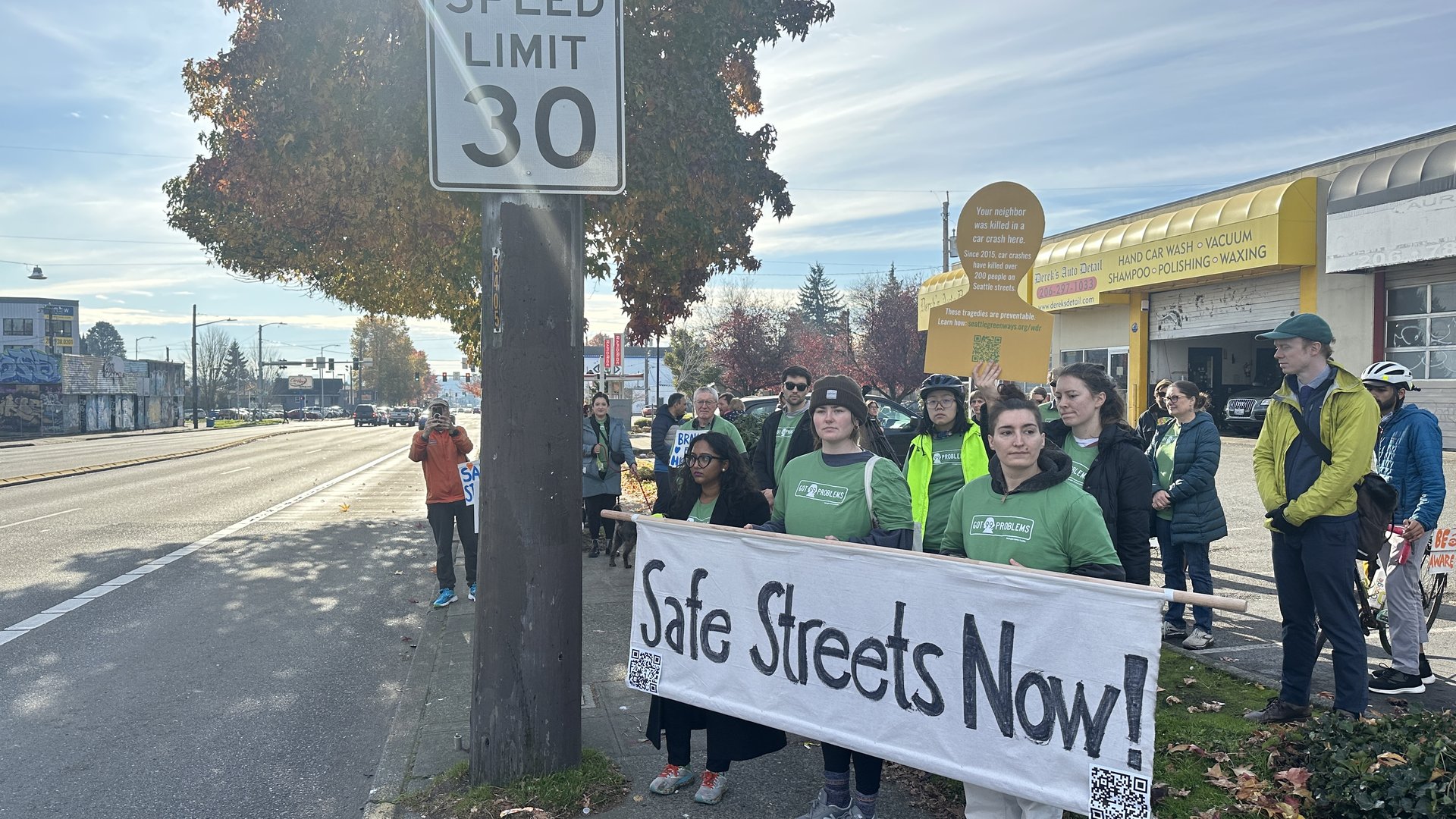
Zero Traffic Deaths on Every Seattle Street
Our vision is simple but urgent: no one should be killed or seriously injured just trying to get where they need to go. We believe Seattle can build a transportation system that is safe for people travelling, whether walking, biking, rolling, taking transit, or driving cars. That requires protecting people walking, rolling and biking, centering equity, prioritizing the communities most harmed by traffic violence, and holding the City accountable for sustained action. Ending traffic deaths is not a distant goal—it is a moral imperative and a policy choice.
The City of Seattle committed to Vision Zero in 2015 -- the goal to end traffic deaths and serious injuries through redesigning our streets for safety, not speed. It is rooted in a simple truth: traffic violence is preventable. People make mistakes, but by slowing speeds we can ensure that when mistakes happen, they are not fatal.
Vision Zero shifts the focus away from blaming individual road users and toward the systems, policies, and street designs that shape behavior and risk. In the City of Seattle, this framework guides investments in safer crossings, protected bike lanes, traffic calming, and transit priority—tools proven to reduce crashes and save lives.
What Streets Alliance is Doing
Safety is at the core of our work. In 2015 we successfully urged the city of Seattle to commit to eliminating traffic deaths and serious injuries by 2030, but setting the goal was not the end. Recent years have seen record-high numbers of people killed or seriously injured on our streets. The burden falls disproportionately on elders, people with disabilities, people of color, unhoused people, and low-income communities.
We advocate for scalable, proven safety solutions — lower speeds, traffic calming, protected bike lanes, safer crossings, and redesigned intersections — while organizing sustained campaigns to transform some of Seattle’s most dangerous corridors. Physically redesigning streets is the most effective and equitable way to prevent crashes. While enforcement can play a role, it should focus on safety outcomes, use automated tools where appropriate, and avoid disproportionate harm.
The good news is that these changes don’t just prevent deaths — they create a city where kids can walk to school safely, elders can maintain independence, people with disabilities can access jobs and services, and neighborhoods can thrive.
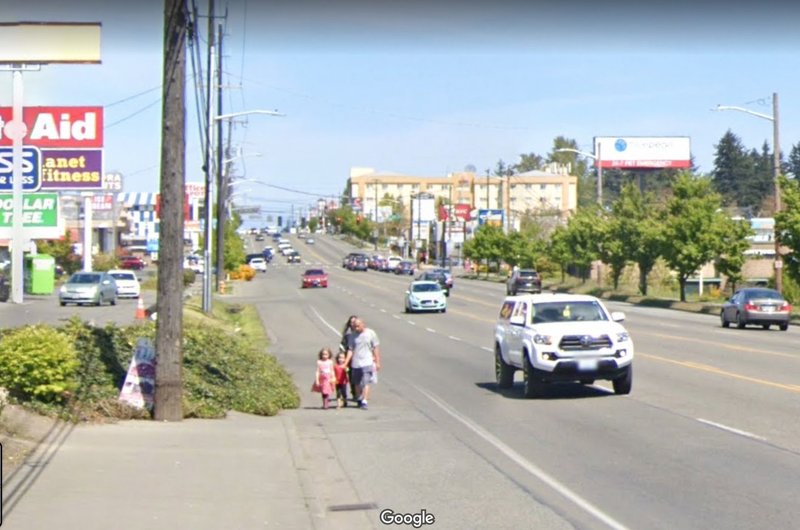
Aurora Avenue N
Aurora Avenue North is one of Seattle’s most dangerous and complex streets — a state highway that functions like a neighborhood main street. People walking, riding transit, accessing services, or living nearby face daily risks created by high speeds, long crossing distances, and inconsistent infrastructure.
We are partnering with the Aurora Reimagined Coalition to push for transformative safety upgrades: safer crossings, bus priority, protected bike facilities, speed reduction, and long-overdue investments that reflect the needs of the communities who live and work along Aurora — not just people driving through it.
Aurora must become a corridor that prioritizes safety and dignity.
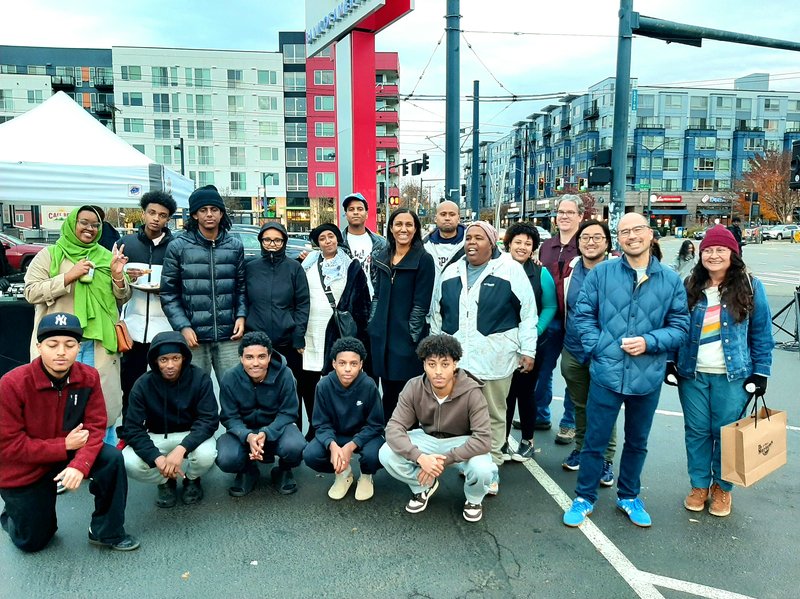
Rainier Avenue S
Rainier Avenue South is one of Seattle’s most collision-prone streets and a corridor that has seen repeated tragedies.
We support community-led safety efforts along Rainier, including advocacy for protected bike lanes, safer intersections, lower speeds, and redesigned crossings. Rainier connects schools, small businesses, transit riders, and neighborhoods — it should not function as a high-speed cut-through.
Rainier must become a street where families, elders, and small business patrons can move safely and confidently.
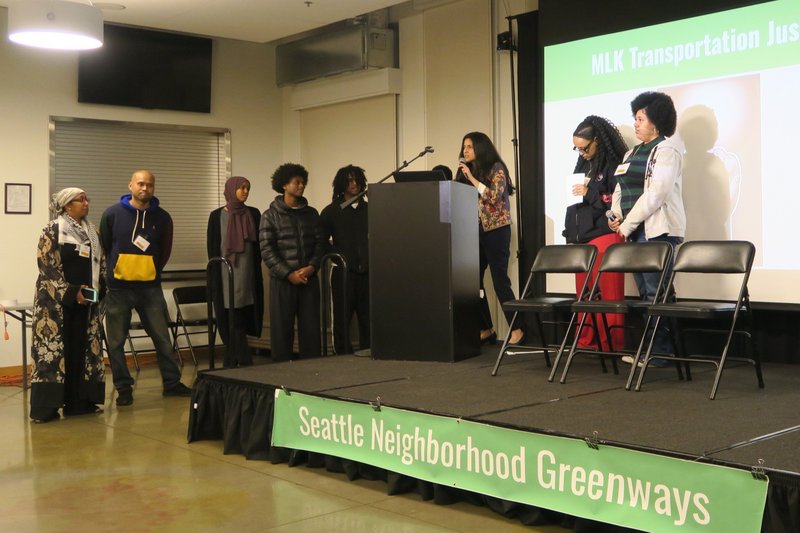
MLK Jr. Way S
Martin Luther King Jr. Way South runs through the heart of Southeast Seattle — and has long experienced disproportionate traffic violence.
We support Black-led advocacy through the MLK Transportation Justice Team to advance long-overdue safety improvements. This includes safer crossings, traffic calming, bus and bike safety improvements, and accountability to ensure the corridor serves the people who live there.
Vision Zero must be rooted in racial and transportation justice. Fixing MLK is essential to that commitment.
We Can Create Safe Streets for All
Cities around the world have demonstrated that Vision Zero is achievable. Join us in helping end this needless traffic violence.
Support Our Work
Make a contribution to power our advocacy for safer streets.
Stay in the Loop
Sign up for Vision Zero updates, including action alerts, wins, and ways to help.