 Seattle Streets Alliance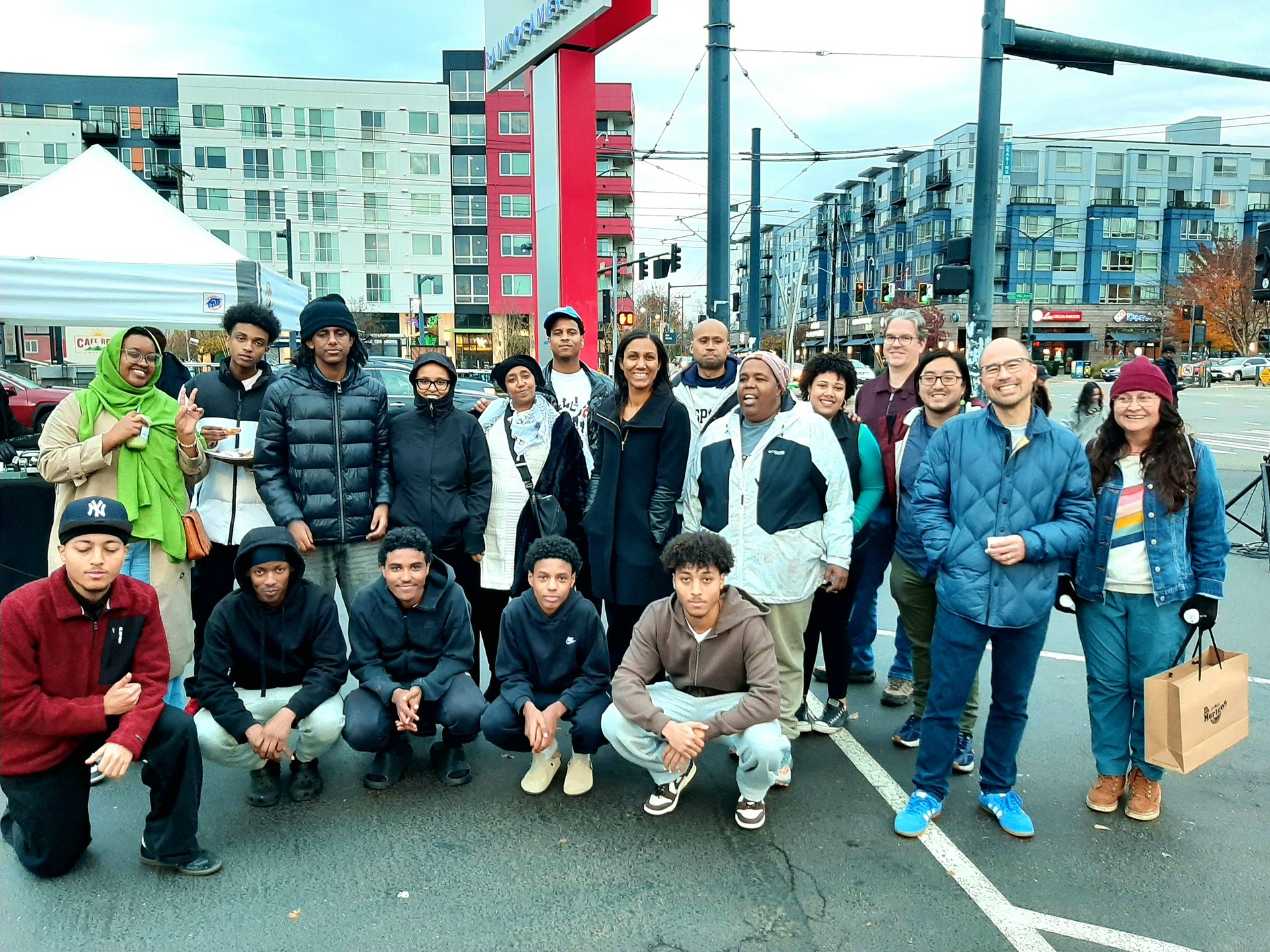
We envision a Seattle where our transportation system expands opportunity instead of reinforcing inequality. Mobility justice means ensuring that everyone — especially those historically excluded from investment and decision-making — can travel safely, affordably, and with dignity.
For too long, transportation policies and projects have disproportionately harmed Black, Indigenous, and other communities of color, people with disabilities, and low-income neighborhoods. Busy arterials divide communities. Sidewalks and safe crossings are missing where they’re needed most. Transit access is uneven. Meanwhile, those most impacted by unsafe streets are too often left out of the decisions that shape them.
Mobility justice requires more than general improvements — it requires intentional, equity-first investment. Racial equity and disability access must be central to how Seattle designs, funds, and builds its transportation system. And community members most affected by harm must have real power in shaping the solutions.
Our Vision
We work toward a city where:
- Safety investments prioritize neighborhoods that have historically received less funding.
- Streets are designed for people walking, rolling, biking, and taking transit — not just moving cars quickly.
- Disability access is treated as essential infrastructure, not an afterthought.
- Community-led solutions guide public investment and policy decisions.
- Transportation decisions repair past harms instead of repeating them.
BIPOC communities often bear the brunt of harm from our transportation system while being excluded from decision-making processes. The MLK and Rainier Ave Transportation Justice Workgroups, two Black-led, intergenerational teams organizing for safety and accessibility in their communities are working to address these inequities. We’re also providing ongoing support to Whose Streets? Our Streets!, is an independent BIPOC-led group advancing mobility justice and ensuring transportation conversations and policies reflect the needs of historically marginalized communities.
By amplifying BIPOC leadership and prioritizing equity in Seattle’s transportation system, we’re working to build a city where everyone feels safe and welcome traveling on our streets.
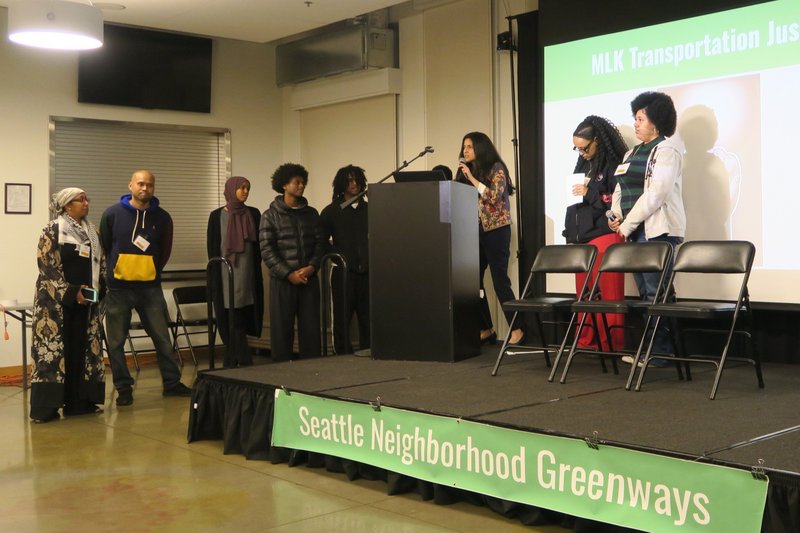
We dedicate significant resources to supporting historically underinvested communities and elevating the voices of those most impacted by unsafe streets.
The MLK and Rainier Ave Transportation Justice Workgroups — two Black-led, intergenerational teams organizing for safety and accessibility in their communities — are advancing solutions grounded in lived experience. We also provide ongoing support to Whose Streets? Our Streets!, an independent BIPOC-led group working to ensure transportation conversations and policies reflect the needs of historically marginalized communities.
By amplifying BIPOC leadership and centering equity in Seattle’s transportation system, we’re working to build a city where everyone feels safe and welcome traveling on our streets.
How You Can Help
Mobility justice is built by people organizing in their own neighborhoods and showing up for one another. Here’s how you can be part of it:
- Join a neighborhood group. Work alongside neighbors to advocate for safety and accessibility improvements where you live — especially in communities that have historically received less investment.
- Support community-led efforts. Attend meetings, share updates, and amplify the work of leaders organizing for safer streets in their own communities.
- Share your story. How do transportation barriers affect your daily life? What would make it easier for you or your family to get around safely? Personal stories shape policy.
- Advocate for equity-first funding. Speak up for investments that prioritize sidewalks, crossings, transit access, and traffic safety in neighborhoods with the greatest need.
Together, we can build a transportation system that reflects our values — one where safety, accessibility, and opportunity are not determined by your ZIP code.